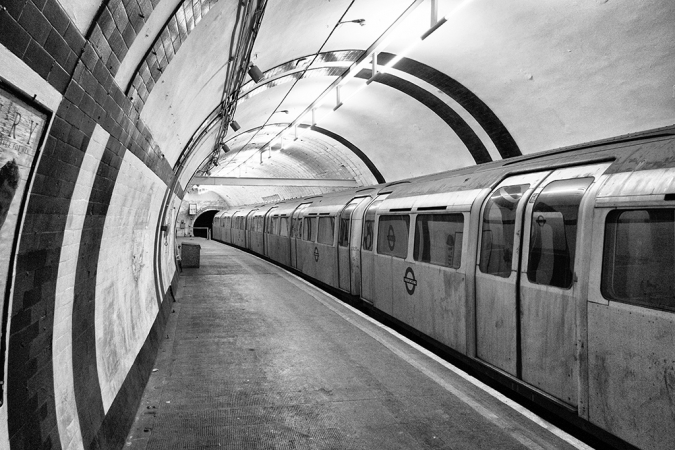
London: a city that’s swelling with a vast amount cultural and social history. From the days of the Roman Empire to the WWII Blitz and beyond, London has stood fast as time winds on. Characterized by what some describe as a Victorian-age hangover a city that still utilizes the oldest tube system in the world, runs its sewage through Victorian age pipes and lines of over priced town houses that stretch back over 100 years. But with such history, of course, comes derelict buildings, un-recognizable ruins and long forgotten industrial functionality; a shadow of the original London powerhouse that, in some cases, is in danger of being lost forever as every corner of the city is submitted to an on-going, tyrannical process of gentrification and modernization. Pulled pork brioche & craft beer anyone?
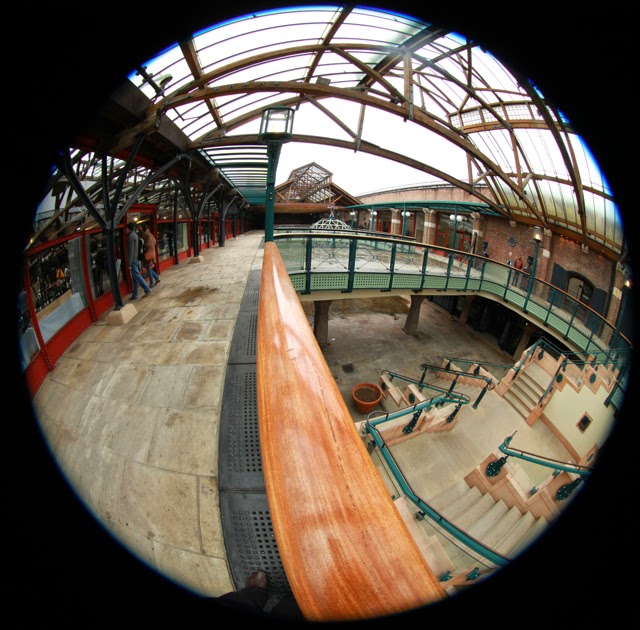
London’s long history of trade and export (with a majority of connections forged through their less-than-liberal days of colonization), saw the East End’s docklands stand as one of the most busy industrial hubs in the world, seeing many of the products we now take for granted imported into the capital, such as teas, coffees and tobacco. It’s the latter commodity that brings us to focus on one of London’s most forgotten, most unspoiled and most awe-inspiring old structures Tobacco Docks.
After a miserably failed attempt to re-open the former Tobacco store as a waterside shopping centre in 1989, the Tobacco Dock structure situated around the Wapping Thames-side area had been laying dormant and gathering dust since it’s official closure in 1995, when there were a mere two shops trading in what was meant to be the shopping hub for Murdoch’s News International workers when he owned Wapping’s print houses. “Ten years later, just the sandwich bar remained; now that too is gone” commented Peter Watts on his secretlondon.com blog. “Tobacco Dock is completely empty, a ghost forever frozen in 1989, when the world was at its feet. Come here, and you can smell the late-80s ambition and the disappointment and failure when it all started to unwind. It’s like the backdrop to a George Romero zombie film, or a metaphor for rampant commercialism wrapped in the setting of a failed shopping centre.”
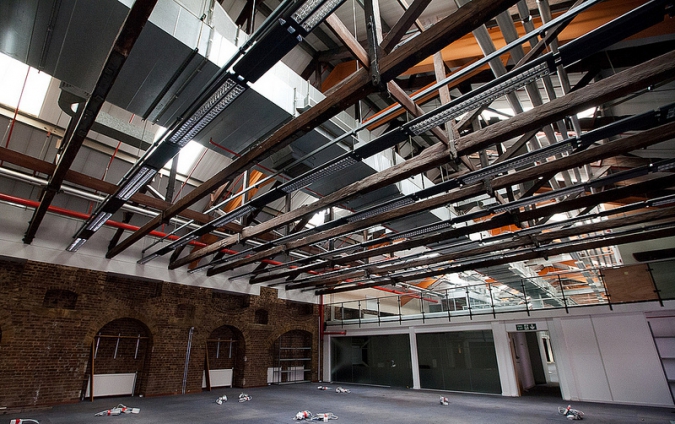
In contrast to this opinion though, the words of The English National Heritage reflected what many felt in the post-millenium towards London’s grand but empty spaces. "We see Tobacco Dock as a future priority because it is too large and important a site to be left standing empty. It is one of the most important buildings in London and if brought back into use it would reinvigorate the whole area." Finally, someone is putting this mighty structure to more than good use from its industrial heyday in the 19th century, through it’s darker days as an empty shell, it’s now reached communal hub status in the 21st century a community and space for youthful fans of contemporary music and culture to enjoy.
Meet LWE, a crew of London based event promoters that, back in 2014, utilized the space for not just another corporate event or showcase but for a rave the very first time ever in the venue’s history. With it’s labyrinth of tunnels, rooms and archways plus unique, almost-gaudi-like décor and tiling (touching upon every decade of design since Victoria’s death in 1901) it seemed like the perfect space for a bunch of hungry clubbers that had become increasingly discontent with London’s high priced, generic scene in which ‘super clubs’ and unlicensed venues maintained a stranglehold. According to Loz Poulton from LWE, their mantra has always been the same: to provide unique and interesting settings within London’s endless plain of creative and sometimes derelict spaces.
“Aside from the likes of Tesco and Shell having their annual company parties there, I think we were the first to go in and host a dance music event” says Loz of LWE’s bravely executed inaugural event on New Year’s Day 2014. “We’ve been talking to them for a long time and it took us about two years to ‘get in there’ so to speak we had to gain a lot of trust and it was a slow process” he tells of their mould-breaking choice of venue and their balance of appropriate noise propogation.
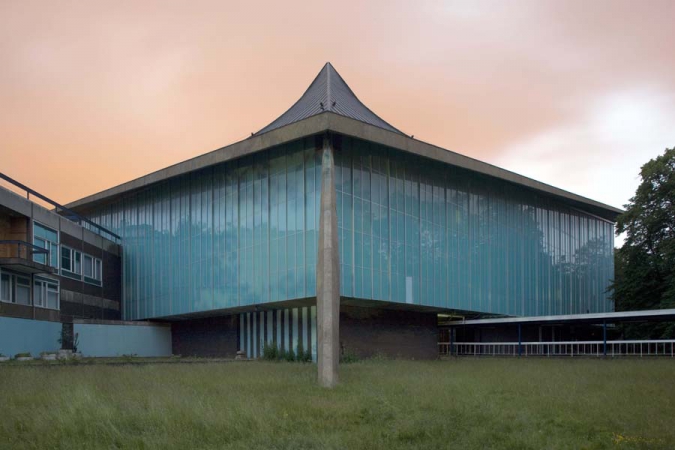
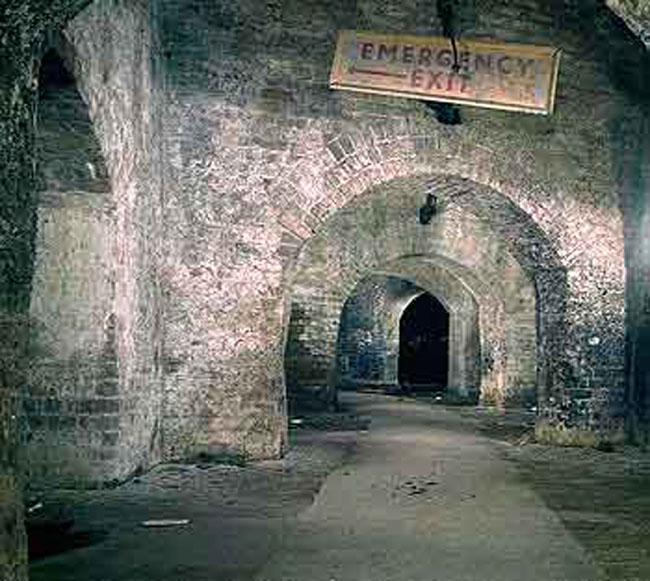
Unlike other old and forgotten London monuments such as the Aldwych and Strand tube stations, Kensington’s Commonwealth Institute (you can even discover more from http://www.derelictlondon.com/) the structure had been left part open and unrestricte by the turn of the millennium, Tobacco Dock had seen a sharp rise and fall in functionality. Far from other mega-structures such as Battersea’s world famous power station which is still undergoing renovation after 30 years it was discovered in a relatively pristine condition, a sheer fun house of over 70 different spaces, compartments, underground vaults, crypts and hallways that told the story of London’s connection with what was then dubbed The New World, providing a naturally ready infrastructure in which to hold an epic large-scale party. “Sound is major factor in something like that and for all LWE events. We had to get the positioning and sound design right so it wouldn’t cause issues with the neighbours. A place like that has a low roof compared to somewhere like Brixton Academy with its epic, high balconies, it was a real challenge.”
Now open as one of London’s top emerging spaces and multi-functional events facility, it’s new lease of life as a cultural space has long surpassed the dangers of over-saturated, urban living. And it’s being kept alive by music fans hungry for the best musical experience possible. “It’s so, so different in terms of what everyone is doing. It’s such a bonus for us to do this in such a beautiful building full of lovely architecture and to pull it off with due respect and diligence.”
“It’s great for us to go into a building like this and show we can do it properly” continues Loz of their proud position. A large-scale event that everyone can enjoy we’re not about putting an event on and trying to grab as much money as possible it’s great to be trusted in a venue like that, and to prove just what we are able to achieve. Only the brave succeed and that’s why people trust in London Warehouse Events. Plus people do get more for their money.”
There’s no sign of TD being turned into waterside apartments yet, thank god, all thanks to the drive and appetite of a trusted crew of event promoters looking to champion London’s unique diversity, while providing hoards of contemporary electronic music fans with a new, interesting and unique space in which to enjoy themselves and partake in the ‘experience’ of clubbing culture a culture that thrives and progresses within the context of the ‘new’. As we have learnt many times previous, dance music and club culture are seen as an evolutionary, forward thinking vehicle for change an idealistic view that contributes to the success of promoters such as LWE and their daring, high standards. Not only that, its making good of a city’s infrastructure that’s yearning to be used for something good.
“We’re always on a daily basis looking for new venues similar to Tobacco Dock but then again, it’s a trust issue and making sure the people on peripherals are happy. With most of these places, the last thing the owners want to do is host dance music in their beautiful building but then they see it as a vehicle for change, they see a new group of appreciators who love the building for it’s unique setting and layout. It’s not just about the DJ and the music a large part is the experience of that music.”
So as London’s clubbing plain reaches a so-called ‘crisis point’ lets ignore this sometimes misguided pack-mentality for a minute promoters such as LWE, with their core values that maintain the integrity of the scene as a whole are proving that London’s choice of establishments doesn’t just end with Dalston basement bars and East London air-fields. In a city where every street and every brick tells a vivid story, it’s time for clubbing culture as a whole to embrace and help maintain our city’s history-surviving structures. What the culture can continue to provide is something unique, fresh and just as important to modern life as any historical document. And besides who needs another shopping centre or over-priced block of flats anyway?
Joseph Gamp