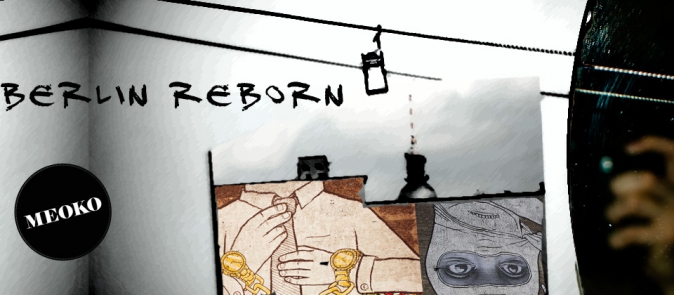
Berlin is in a constant state of flux. Possibly the nicest, most simplest of metaphors to use when explaining the metamorphosis of Berlin was used in a recent club newsletter: "summer is giving birth. Babies of joy sticking their smiley faces out of their cosmic mommas’ wombs only to unravel their dancing limbs".
Spring time lusciously melts into summer once her waters have broken, people go clubbing and bathing at once, and with a bang, the whole orchestra of singing party sirens marches down the party strip along the river between Jannowitzbrücke and Elsenbrücke, accompanied by the first blossoming array of festivals.
Life is beautiful. Berlin is beautiful. Berliners are beautiful too except when they bark at you. Alas… This is an ode to life here in our beautiful capital right on the banks of the River Spree. To all those living it, loving it and doing it: in berlin, we live and let live.
The Hedonism
Oooooh the joys of these festivals… they are out there. So many of them. They exist as a compensation to all those dreary winter moments when you hardly want to stick your face out of your bedding. Berlin in summer has as many facets as it does electronic music the deeper you dig, the more you get out of it (it might have even more). If you are up for the challenge to unravel some more of its mysteries, then it gets very rewarding. And very mysterious. Mystery rules.
Do you want the beautiful life? Well then try “Her mit dem schönen Leben”. On the isle of Rügen, this festival boasts an authentic Berliner lineup and a HUGE historical backdrop that has you gasping for air. Hitlers troops were supposed to chill here in this never finished Arian holiday complex, only partly inhabited by refugees after the Second World War.
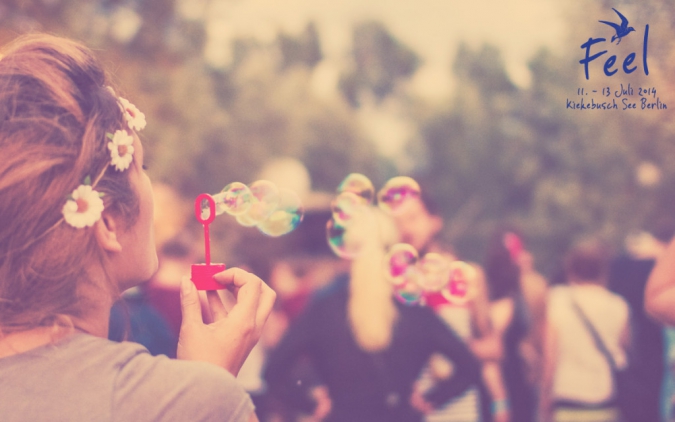
People who want to head out to Fusion have to secure their ticket in a raffle at the beginning of each year there can only be 50,000 winners to inhabit the old Russian air base without the festival losing its magic. Attempts of fence-jumping would result in serious problems of over-population (essentially killing the vibe), so if you aren’t in, you will have to find alternative events to attend (alternatives such as Meeresrausch, which are also sold out… Some of the hottest picks in the closer Berlin-Brandenburg vicinity are Feel Festival, Wilde Möhre, and Plötzlich am Meer on the Baltic Sea in Poland. Another really far out option beyond the tried-and-tested is Sinstruct festival in the Tyrolian Alps: if all else fails, you could do a lot worse than attending the long established Nachtdigital.
The Reality
One more thing about “Her mit dem schönen Leben”, you just missed it (but you might be thrilled to hear that “Tag Am Meer” is taking place in almost the same location on July 19th, so please get your tickets ASAP. Welcome to a Berlin reality: You NEED to get to the core of things to not miss out on vital information. And we do not mean a Soho House membership. Who cares about meeting George Clooney in the elevator? We would rather prefer to bump into David Hasselhoff taking a much-needed drink at Sage Restaurant.
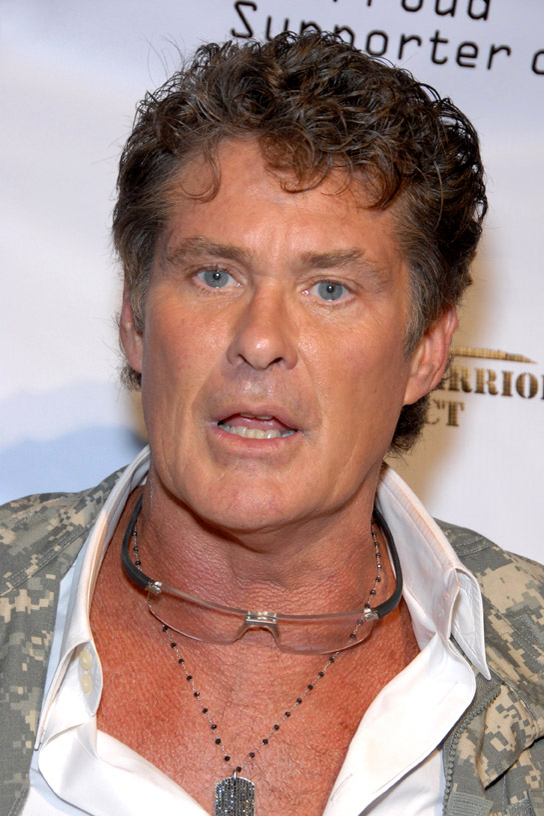
Apparently, the Hoff has taken refuge in Germany since his Baywatch career plummeted. The ever-so-tolerant Sage crew which is now serving him beverages has been around since the Nineties, and brings an honest Balearic feeling to the Berlin club table. Be it their Mad Max collection of trucks or their motor boats which might take you to secret parties if you make friends with the owners, or their resident DJ who sent his music into space - they are just on a different level. Their vibe is not as extreme and notorious as the one of legendary S&M location Kit Kat Club but somehow, minus the obvious, it's just as frivolous. Of course this is not necessarily what most first-time Berliners would enjoy (unlike this amazing couple from Kidderminster I bumped into the other day). But what is it that you/they want?
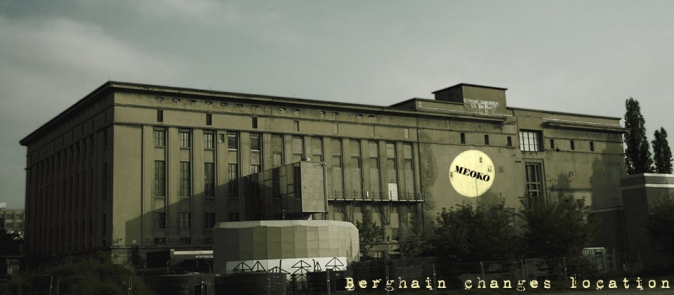
There are so many secret access codes populating the city that you desperately need to work your way through and no, it’s not about how to get on the Berghain guestlist (or finding its new location ).
It’s about how much you are willing to invest to see beyond the obvious choices, some of which seem satisfying enough for our clubbing peers from all over the world. It’s not that a real Berliner does not understand people like you. He or she would just not want to be around them too much, as many tourists are, obviously, too obvious. This explains Berlin’s huge attraction. There is nothing more mind-blowing than leaving behind obvious choices, and shedding those tourist skins can be the become the most identity-shaping process. It’s not for everyone though: “Many have tried. And many have failed”, as Mighty Boosh’s Vince Noir would have put it.
Peoples’ Choices And Politics
One very, very, very popular choice, Bar 25, which after its closure moved to the opposite river bank location and mutated into Kater Holzig, locked down this winter,only to see reformation and renaissance in the utterly ambitious Holzmarkt project, where Swiss investment companies actually married their entrepreneur spirits with some adventurous taste of “alternative” and managed to push it through with the massive support of the locals, something unique. No other capital can pride itself with party people in such high places as Berlin. Too many politicians licked blood on the dusty dancefloors of the beachy Bar 25: the uniqueness of Berlin’s frolicking waterfront activities, paired with mind-bending stimulants, had some kind of effect on the residents' outlook of the future. Whether their so-called alternative will still be in the vein of “what it used to be” is in the eye of the beholder. So hold on tight… they are still in the construction stage: Holzmarkt
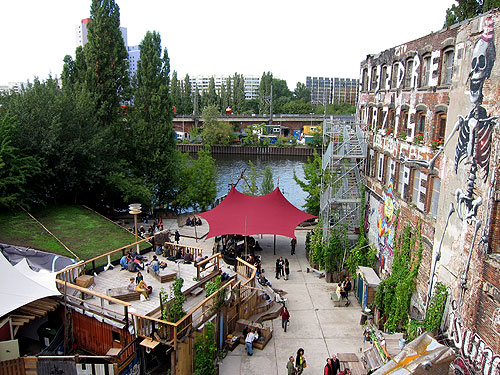
As a recent article posted on the Kater website points out, “resistance to the dense and lifeless development of the riverbank organised itself having its temporary peak in 2008 when 87% of the population of Friedrichshain-Kreuzberg demanded a ’Spree riverbank for all’ in a citizen-initiated referendum“. Berlin people and those who moved in to make up the city’s population are highly politicised. They simply love public referendums and stopping the city’s government’s all-too-ambitious building plans, just as the one on Tempelhofer Feld showed recently, where the general public voted against the commercialised use of the city’s old airport ground which is, currently, still just an open wide space that can be used by everyone.
But who cares about Kater? Really. Club der Visionäre is open again, always and forever the most blatant and obvious choice, from here to eternity, as Giorgio Moroder would say. Pass by Chalet, try Wilde Renate’s outdoor location Else. Or go beyond this. Go Sisyphos. Go Kosmonaut. Go Loftus Hall. Go anywhere.
Once Upon A Time…
As Motte (we will explain who he is in a few paragraphs in case you do not know, he is just celebrating his 20th anniversary as a Berlin DJ) recalls: "Berlin was the only city where men did not have to serve military service as it was Besatzungszone, a British, French, Russian and American occupation zone throughout the Seventies and Eighties. So all those arty freaks from all over Germany fled here to live a hedonistic, arty life without moral conflicts of having to serve the fatherland…” True, many a youth in Germany lived a childhood dominated by war nightmare experiences of fathers and grand fathers who returned from Russian captivity, missing their limbs and sense of humour, and felt repelled and doomed by their gloomy outlook on life.
Motte wasn't necessarily one of them. He just happened to be the guy to be at the right place, at the right time. He is the founder of Berlin Love Parade. The cultural phenomenon, that, at its climax, had over a million ravers rummaging down the avenues in Tiergarten. “The artists,” continues Motte, “rejoiced when the wall came down, as a massive problem got solved… space… There wasn't enough space within the confinements of the Wall… and all of a sudden, empty presidents palaces to throw parties in. Just imagine what happened. Things got out of hand quickly, but there were no forces to stop us. We could just live to party. And that is what we did. When I look at our hand-made photocopied flyers with hotline phone numbers on them, I get quickened by that sense, that thrill of adventure that we had back then, and saddened when I think about party people today who feel lost when their smart phones run out of battery around 5 am. Not sure how they will find their way home, they need to trudge through unknown streets without this sense of adventure and enjoyment we had back then. And freedom.”
Freedom, I’ve Been Looking For Freedom
Freedom. A lot of people who come here today clearly lack that imagination of liberty plus, there is not enough of this free space left to really sense what went on in Berlin at the end of the Eighties and Nineties. One can only hope that the future will hold three dimensional film screenings recapturing the glory of these moments (meanwhile there are documentaries about the old Tresor for example called Sub Berlin where you can catch a glimpse into this unruly past), whilst the grandchildren of these party generations carry the sceptre and torch of free partying into the future, the wholly grail now being self-sustainable living and event organisation.
People who run clubs now are young entrepreneurs from versatile marketing backgrounds who combine their passion for bedroom DJing and can live it up to the max as collectives, renting out big spaces which are transformed into legal clubs once they get through all the paper work. Berlin’s mystery is backed up by those projects, with their spokespeople growing in influence and eventually seeding into city politics, cross-pollinating with city planners and investment bankers; in turn it shapes the future of the city. Berlin is still one of the most beautiful cities in the world, a city that is the most vibrant and yet, the most dominated. Dominated by OUR vibes, dear electronic music people, and our culture. Berlin is built by us, for us.
You can also get measly and pissed off by the idea that there might be hen and stag dos at Berghain soon, the way things go downhill. Yes, thats what people say, it’s a steady moaning and groaning, and it’s probably YOUR fault. Everyone here is worried that Berlin will lose its magic due to the steady influx of people trying to buy into magic instead of just 'being' magic. People buying recycled apartments only to rent them on air b'n’b at daily rates as steep as a monthly rent for those artistic types who seemed to make up the magical ingredients of Berlin before it became what it is now, the holographic copy of a copy of a copy of magic…
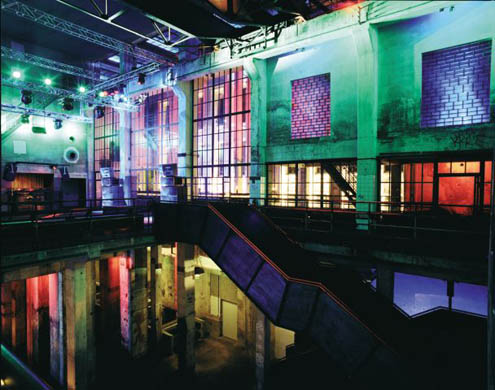
Once we can see beyond the beat ridden nightlife culture that lets us travel to far away places only to see THAT DJ in THAT so much talked about club, and the usual downfalls: Gentrification, freedom stifled by investors, investors taking over entire neighbourhoods now rented out to visitors, rents going up even more, freedom being stifled even more… and some other weird, capitalist phenomenons you should be aware about.
Fading Flowers
But it is not all roses and party pansies. During Summer, Berliners get visited from people from all across the globe - some of which make the decision to try to live here permanently. The steady influx of other cultures has so many side effects that it really affects the Germans: there is NO ONE who hasn't got an opinion on “Spanish and Italian” people trying to make a living here something that’s plain weird. It is plain weird to see the even most tolerant and far travelled young Germans seriously discuss the necessity of integration of those who come here in search of a better electronic life.
Something they never demand(ed) of an English or American. One might think this comes across as intolerance and bigotry, all so yesteryear, but it isn't. Note: haters do not have to be German. They can be from anywhere in the world and simply hate tourists and newly arrived people from somewhere else, annoyed with them for destroying Berlin's authenticity and for their lack of effort in trying to integrate or for WHATEVER stupid reason. If you, during your first Berlin euphoria phase, decide to make a move to Berlin, be aware that you will stumble across this sooner or later, and make do with it. Do yourself a favour and sign up for German classes: so when the inevitable comes, you can defend yourself in more authentic style.
Closer Looks
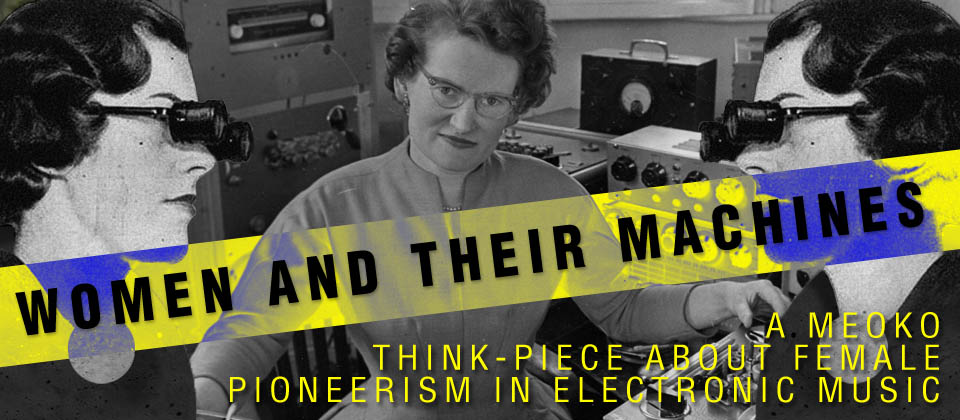
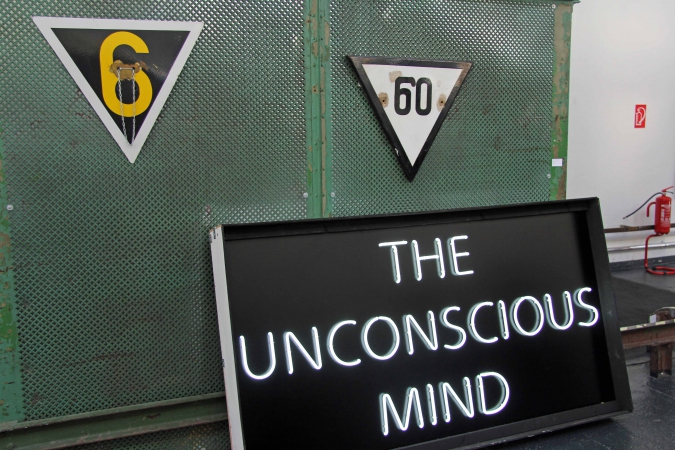
The role of women in electronic music is something that is still in need of championing, even in a DIY, forward-thinking city such as Berlin. Last year, a study uncovered a fact that no-one ever seemed to be interested in discussing he subject in public (as this would have to result in serious adjustments of self-perception, roles, gender issues stuff people do not like to waste too much time wit)). Just as little as the underlying xenophobia still blatantly present in the minds of the average German stroke Berliner, this discriminative fact might be nothing new to most - it is just generally accepted that women neither receive equal pay nor equal protagonism anywhere on this planet (not even Superwoman), and can even be raped and hanged for personal pleasure.
So whatever you are, Italian or Argentinean, get ready for the next dilemma, especially if you also happen to be a female. You might have to get your head around a lot of paradigms. You might have to get another insight of the bigger picture, which, in Berlin, made the rounds, and still keeps infiltrating minds and matters: Not only has the average German woman got to face blatent sexism still, there are too little female politicians and company bosses, too little pay, too little awareness that working women are facing disadvantage, too little crib places, too many reasons to go pro-active about stuff. There's only nine percent of women in the line-ups of the clubs and festivals, although women make up more than 50 percent of the overall polulation (Facts about these statistics are still available on the female pressure blog). And there is also a press release out in 2013 that went with it at female pressure.
Number Crunching
What doesn't come as a surprise or shock to anybody is a saddening fact for those who hoped to generate a change of ratio. Over thirty years have passed by now since protagonists of the first and second generations of women played more significant roles in electronic music as well as in club, concert and production environments. Whilst these women were very aware of their special outsider positions in the (electronic) music scene, they have focused on their careers concluding that their struggle would make it easier for future generations of women to follow their footsteps and individual paths.
The surprise is, though, that it hasn’t. Although now there is this huge “awareness” about the disadvantages of being a woman, this has also been touted as an “advantage” (as in: “women are spoilt in the way of how they are wanting to be treated differently while not wanting to be treated differently, i.e. special they should just get on with it”). Whatever a woman says or does, is weighed in a different way even the way in which they DJ. Apparently, the way they present music is “more feminine” (we are still waiting for a DJ competition during which candidates playing behind closed curtains convince their audience with their respective vibes). Although techno is thought to be faceless, it seems to play a bloody large part in how a woman is dressed when she plays, possibly because females also have “their periods”. It’s all about the moon cycles, people.
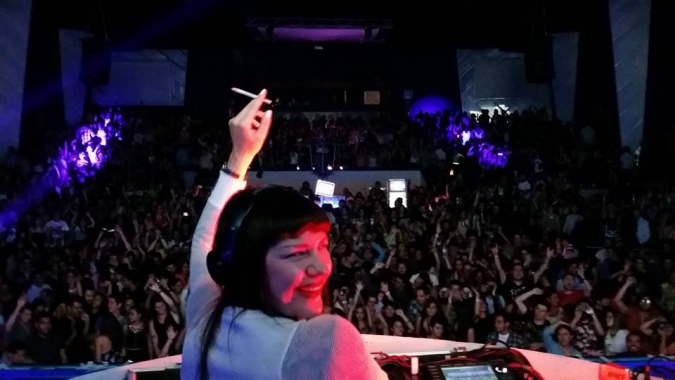
So adding a female to a male-dominated lineup is still seen as an act of trying to book something (or someone) “different”, possibly “freaky”, i.e. lesbian or “exotic”, i.e. sexy. A talk to male event organisers resulted in the resigned attitude that there just weren’t enough females to match the bills, to fill the clubs, and to stand up to their male counterparts. “It can’t just always be an Ellen Allien or a Miss Kittin”, they sighed. However they solve this dilemma (perhaps by just always booking the same top one hundred men?), a lot of people stood up in awe and disbelief and tried to raise awareness about gender equality in music as well as offering alternatives.
Protagonists vs Antagonists
There are plenty of strategies, one of which is networking a more prominent example are the Geekettes who focus on CEOs and IT Start Ups and awareness-raising through press work, talks, workshops etc. There are several city government-sponsored projects right now in which all-female lineups and enterprises are promoted to counteract the ridiculously low number of female protagonists in the scene. There are mailing lists and websites, meetings and parties which help to promote the female talent around which never seems to cut enough mustard to be on a level with the male talent even the most mediocre, acne-spotted male adolescent seems to get more credit for his oh-so virtuous, virtual knob-tweaking than any “lady” who “might need some help” to switch on her gear. Reasons for the inferiority of the “fairer sex” are easily spotted: people in high places do not appreciate being ousted. And there is a general tendency to overrate the overrated and to undervalue the undervalued.
However, it seems as if tables are turning due to the sheer momentum of the whole female DJ and producer phenomenon. There are Perspectives Festival, the Mint parties, Raw Chicks, events in Berghain and about blank, Humboldthain more and more women are pushing into the event organisation sector to counteract the power of the traditional, standardised and male dominated booking world. There are festivals like Volt in Sweden which manage to push the standards by reaching the fifty-fifty percent mark, purposely. There is one amazing female talent popping up to the next, and to turn a blind eye on the pure quality and amazing vibes would be simply not work with the way modern Berlin is right now.
Fear and Loathing
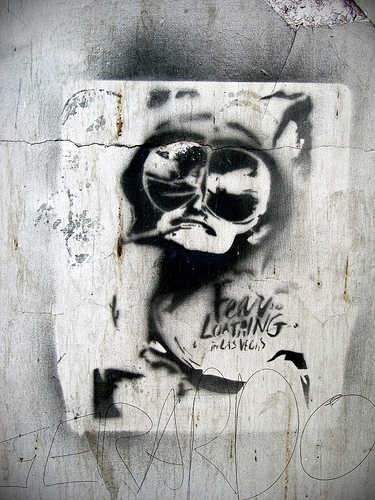
And of course there is the danger and fear of better-known female DJs being ostracised if they join female groups, female lineups, and female podium discussions. It's a real taboo to talk about these issues. When researching the topic of motherhood and DJing careers, not one female who happens to be a DJ and mother was willing to talk about their experience, due to the fear of not being booked anymore. This shows a lot about the current situation, and to what is at stake for many a person worried about image-loss. But then, this is a Zeitgeist phenomenon.
The Surreality
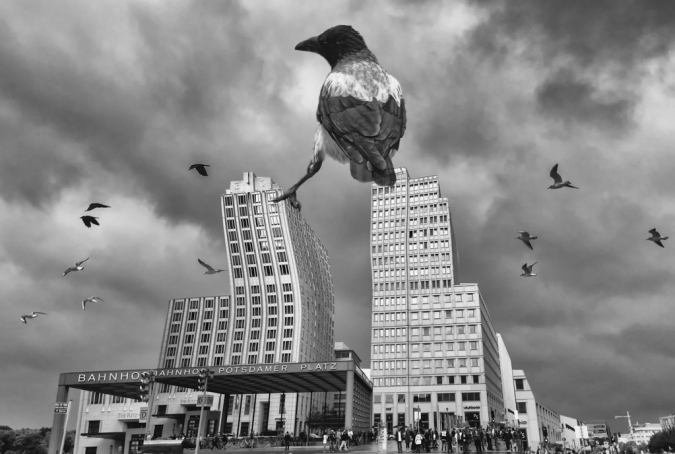
Finding the alternatives to anything that reaches a tipping point is probably what this Berlin thing is all about. There are quite a few tactics. You can try them all. No-one cares. People are all busy with their own self-identification ceremonies. Just don't get caught taking too many selfies of, erm, yourself. But you can make use of the black and white photo booths placed skilfully in all those hotspots where you might want to lose your dignity. Just try out a different face, viola, and you will see, it makes all the difference and you become a different persona. People here love double identities.
Sometimes not very good looking male acts dub themselves like seductresses: Techno used to be faceless. But this is yesteryear. Just as much as Actress is loved for his raw, androgynous techno sound & not for his looks, it’s all about being a little confusing and funny while also being authentically you as a producer, god, DJ, and human.
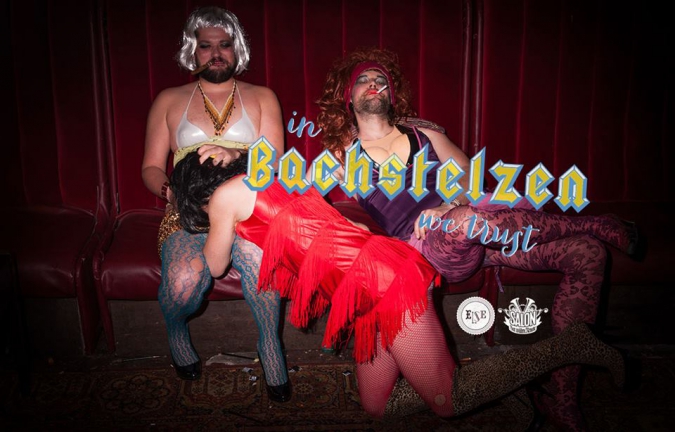
One truth is, Berlin is the only place in the world where trannies are men who dress like women without ever ever trying to attempt to look, behave or sound like them. They are simply stubbly men with hairy armpits and legs in women's dresses, and no one has a problem with that. Just like women putting on trousers, you can catch men parade in gowns or mini skirts, and they are happy to not have to shave before they go out as testosterone levels do not seem to have anything to do with the desire to switch outfits. Again: Berlin is a place of many truths. Just take the one you like best. Berlin is a city that tries to make you happy, if you want her to.
More Meoko?